
CASC Climate Adaptation Technical Services
CASC Climate Adaptation Technical Services (CATS) is a new, multi-year pilot effort to respond to management needs on climate adaptation. The program provides partners with tailored climate adaptation science, advice, and training to help them rapidly incorporate adaptation science into planning and decision making.
Overview
The CATS team seeks to learn, through iterative engagement with resource management partners, how the CASC network can improve the ability of its partner to access, use, and interpret available climate adaptation science. This pilot is a natural complement to the regional and national CASC research programs that focus on developing and delivering new climate adaptation science.
The technical climate services provided by the CATS team enable Department of the Interior bureaus and partners to:
- more rapidly incorporate climate adaptation science into their plans, practices, and decisions,
- increase staff understanding of climate adaptation science,
- increase staff skills in using climate adaptation science, and
- grow trusted relationships with the CASC program.
What services does this initiative provide?
- Scientific advice to connect expert partners to existing data, tools, and science resources. This advice may include iterative engagement with partners to understand management challenges, assess data and tool needs, or provide training to help partners use and interpret existing tools and data resources.
- Scientific analysis and synthesis of available data and literature on relevant climate sensitivities, exposure, and risks.
- Data and tool development to improve access, visualization, and analysis for partner decision making
- Combinations of advice, analysis, synthesis, and data and tool development to support more complex climate adaptation needs from natural and cultural resource managers
CATS Service: Scientific Advice
CATS Service: Scientific Analysis and Synthesis
CATS Service: Data and Tool Development
Developing a Next-Generation Climate Change Vulnerability Index in Support of Climate-Informed Natural-Resource Management
Developing High-Resolution Soil Moisture Projections for the Contiguous U.S.
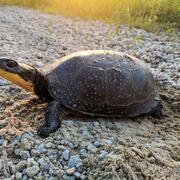
Characterizing Climate Change Impacts on Species Ecology to Support Species Status Assessments
Explore CATS data products.
Data summaries and visualizations for projected Canadian Forest Fire Danger Rating System (CFFDRS) metrics within Fire Danger Rating Areas in Alaska (1980–2099) Data summaries and visualizations for projected Canadian Forest Fire Danger Rating System (CFFDRS) metrics within Fire Danger Rating Areas in Alaska (1980–2099)
CMIP6-LOCA2 spatial summaries of National Park Service administrative units from 1950-2100 for the Contiguous United States CMIP6-LOCA2 spatial summaries of National Park Service administrative units from 1950-2100 for the Contiguous United States
CMIP6-LOCA2 spatial summaries of Bureau of Land Management administrative units from 1950-2100 for the Contiguous United States CMIP6-LOCA2 spatial summaries of Bureau of Land Management administrative units from 1950-2100 for the Contiguous United States
CMIP6-LOCA2 spatial summaries of counties (TIGER 2023) from 1950-2100 for the Contiguous United States CMIP6-LOCA2 spatial summaries of counties (TIGER 2023) from 1950-2100 for the Contiguous United States
CMIP6-LOCA2 spatial summaries of HU8 and HU10 watershed boundaries from 1950-2100 for the Contiguous United States CMIP6-LOCA2 spatial summaries of HU8 and HU10 watershed boundaries from 1950-2100 for the Contiguous United States
Climate Change Vulnerability Index Release 4.0: Excel Workbook Climate Change Vulnerability Index Release 4.0: Excel Workbook
Explore CATS publications.
Potential effects of sea level rise and high tide flooding on Laterallus jamaicensis jamaicensis (eastern black rail) coastal breeding areas Potential effects of sea level rise and high tide flooding on Laterallus jamaicensis jamaicensis (eastern black rail) coastal breeding areas
Guidelines for using the Climate Change Vulnerability Index 2024 release 4.0 Guidelines for using the Climate Change Vulnerability Index 2024 release 4.0
Potential effects of climate change on Acipenser fulvescens (lake sturgeon) Potential effects of climate change on Acipenser fulvescens (lake sturgeon)
Potential effects of climate change on Emydoidea blandingii (Blanding’s turtle) Potential effects of climate change on Emydoidea blandingii (Blanding’s turtle)
Potential effects of climate change on Ambystoma barbouri (streamside salamander) Potential effects of climate change on Ambystoma barbouri (streamside salamander)
Potential effects of climate change on Appalachian stoneflies (Remenus kirchneri, Acroneuria kosztarabi, and Tallaperla lobata) Potential effects of climate change on Appalachian stoneflies (Remenus kirchneri, Acroneuria kosztarabi, and Tallaperla lobata)
Potential effects of climate change on snail kites (Rostrhamus sociabilis plumbeus) in Florida Potential effects of climate change on snail kites (Rostrhamus sociabilis plumbeus) in Florida
Code for Projected Canadian Forest Fire Danger Rating System (CFFDRS) metrics within Fire Danger Rating Areas in Alaska (1980–2099) (version 1.0.0) Code for Projected Canadian Forest Fire Danger Rating System (CFFDRS) metrics within Fire Danger Rating Areas in Alaska (1980–2099) (version 1.0.0)
Interested in working with CATS? Contact the Regional Administrator within the CASC region relevant to your request (see link below) or email Ryan Boyles (rboyles@usgs.gov). When submitting a request, it is helpful to share: the specific ask or need, the partner or entity who will use the data or product, the desired deadline, and the desired outcome (e.g., technical advice, synthesis, data, etc.)
Ryan Boyles, Ph.D.
Acting Deputy Senior Administrator
Marta Lyons, Ph.D.
Biologist, National CASC
Katherine Kurth, Ph.D.
Biologist, National CASC
Andrew Maguire, Ph.D.
Biologist, National CASC
Catherine (Kasia) A. Nikiel, Ph.D.
Physical Scientist, National CASC
Sarah Whipple, Ph.D.
Biologist, National CASC
CASC Climate Adaptation Technical Services (CATS) is a new, multi-year pilot effort to respond to management needs on climate adaptation. The program provides partners with tailored climate adaptation science, advice, and training to help them rapidly incorporate adaptation science into planning and decision making.
Overview
The CATS team seeks to learn, through iterative engagement with resource management partners, how the CASC network can improve the ability of its partner to access, use, and interpret available climate adaptation science. This pilot is a natural complement to the regional and national CASC research programs that focus on developing and delivering new climate adaptation science.
The technical climate services provided by the CATS team enable Department of the Interior bureaus and partners to:
- more rapidly incorporate climate adaptation science into their plans, practices, and decisions,
- increase staff understanding of climate adaptation science,
- increase staff skills in using climate adaptation science, and
- grow trusted relationships with the CASC program.
What services does this initiative provide?
- Scientific advice to connect expert partners to existing data, tools, and science resources. This advice may include iterative engagement with partners to understand management challenges, assess data and tool needs, or provide training to help partners use and interpret existing tools and data resources.
- Scientific analysis and synthesis of available data and literature on relevant climate sensitivities, exposure, and risks.
- Data and tool development to improve access, visualization, and analysis for partner decision making
- Combinations of advice, analysis, synthesis, and data and tool development to support more complex climate adaptation needs from natural and cultural resource managers
CATS Service: Scientific Advice
CATS Service: Scientific Analysis and Synthesis
CATS Service: Data and Tool Development
Developing a Next-Generation Climate Change Vulnerability Index in Support of Climate-Informed Natural-Resource Management
Developing High-Resolution Soil Moisture Projections for the Contiguous U.S.
Characterizing Climate Change Impacts on Species Ecology to Support Species Status Assessments
Explore CATS data products.
Data summaries and visualizations for projected Canadian Forest Fire Danger Rating System (CFFDRS) metrics within Fire Danger Rating Areas in Alaska (1980–2099) Data summaries and visualizations for projected Canadian Forest Fire Danger Rating System (CFFDRS) metrics within Fire Danger Rating Areas in Alaska (1980–2099)
CMIP6-LOCA2 spatial summaries of National Park Service administrative units from 1950-2100 for the Contiguous United States CMIP6-LOCA2 spatial summaries of National Park Service administrative units from 1950-2100 for the Contiguous United States
CMIP6-LOCA2 spatial summaries of Bureau of Land Management administrative units from 1950-2100 for the Contiguous United States CMIP6-LOCA2 spatial summaries of Bureau of Land Management administrative units from 1950-2100 for the Contiguous United States
CMIP6-LOCA2 spatial summaries of counties (TIGER 2023) from 1950-2100 for the Contiguous United States CMIP6-LOCA2 spatial summaries of counties (TIGER 2023) from 1950-2100 for the Contiguous United States
CMIP6-LOCA2 spatial summaries of HU8 and HU10 watershed boundaries from 1950-2100 for the Contiguous United States CMIP6-LOCA2 spatial summaries of HU8 and HU10 watershed boundaries from 1950-2100 for the Contiguous United States
Climate Change Vulnerability Index Release 4.0: Excel Workbook Climate Change Vulnerability Index Release 4.0: Excel Workbook
Explore CATS publications.
Potential effects of sea level rise and high tide flooding on Laterallus jamaicensis jamaicensis (eastern black rail) coastal breeding areas Potential effects of sea level rise and high tide flooding on Laterallus jamaicensis jamaicensis (eastern black rail) coastal breeding areas
Guidelines for using the Climate Change Vulnerability Index 2024 release 4.0 Guidelines for using the Climate Change Vulnerability Index 2024 release 4.0
Potential effects of climate change on Acipenser fulvescens (lake sturgeon) Potential effects of climate change on Acipenser fulvescens (lake sturgeon)
Potential effects of climate change on Emydoidea blandingii (Blanding’s turtle) Potential effects of climate change on Emydoidea blandingii (Blanding’s turtle)
Potential effects of climate change on Ambystoma barbouri (streamside salamander) Potential effects of climate change on Ambystoma barbouri (streamside salamander)
Potential effects of climate change on Appalachian stoneflies (Remenus kirchneri, Acroneuria kosztarabi, and Tallaperla lobata) Potential effects of climate change on Appalachian stoneflies (Remenus kirchneri, Acroneuria kosztarabi, and Tallaperla lobata)
Potential effects of climate change on snail kites (Rostrhamus sociabilis plumbeus) in Florida Potential effects of climate change on snail kites (Rostrhamus sociabilis plumbeus) in Florida
Code for Projected Canadian Forest Fire Danger Rating System (CFFDRS) metrics within Fire Danger Rating Areas in Alaska (1980–2099) (version 1.0.0) Code for Projected Canadian Forest Fire Danger Rating System (CFFDRS) metrics within Fire Danger Rating Areas in Alaska (1980–2099) (version 1.0.0)
Interested in working with CATS? Contact the Regional Administrator within the CASC region relevant to your request (see link below) or email Ryan Boyles (rboyles@usgs.gov). When submitting a request, it is helpful to share: the specific ask or need, the partner or entity who will use the data or product, the desired deadline, and the desired outcome (e.g., technical advice, synthesis, data, etc.)